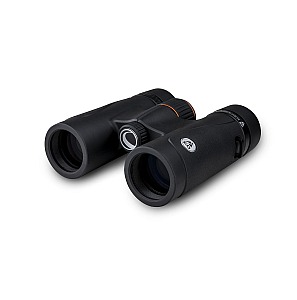
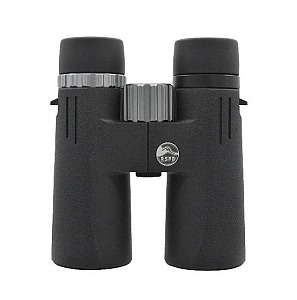
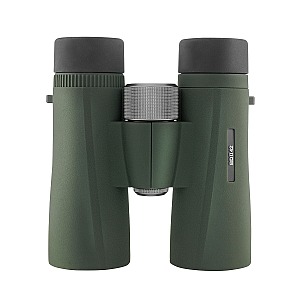
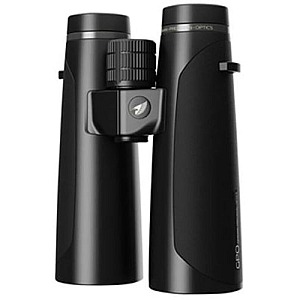
69 products from trusted UK retailers
Our birdwatching binoculars are the 8x and 10x pairs with 32mm to 42mm lenses that suit how most people watch birds in the UK, from the feeder outside the kitchen window to waders and other wildlife on a winter estuary. Every pair here is waterproof, fog proofed and built around low-dispersion glass, with prices running from about £260 to £860. Pick 8x for woodland, gardens and hides, or 10x for coast and open water. Not sure which size? Start with our 8x42 binoculars, the classic all-round birding size, or see the RSPB binoculars range.
Buying a pair of binoculars for bird watching comes down to three things: how much magnification you can hold steady, how much light the front lenses gather, and whether the pair is comfortable enough to carry all day. Get those right and the rest (coatings, prism type, brand) is about fine-tuning. A quick checklist before you compare models:
Every pair carries two numbers, such as 8x42. The first is the magnification, so an 8x pair makes a robin 20 metres away look as if it were 2.5 metres away. The second is the diameter of each objective lens in millimetres. Divide the second number by the first and you get the exit pupil: 5.25mm for 8x42, 4.2mm for 10x42 and 4mm for 8x32. A bigger exit pupil gives a brighter, easier view at dawn, at dusk and under a woodland canopy.
Most UK birders start with 8x. The wider view makes it far easier to find a warbler flitting through a hedge or follow a flock of finches, and the image shakes less. 10x pulls in more detail on distant birds, which helps when scanning estuaries, reservoirs and coastal cliffs, but it narrows the view and shows every wobble of your hands. Anything above 10x magnification is hard to hold steady without a tripod, which is why our 10x50 binoculars and big astronomy pairs are not on this page. If you can't decide, read our 10x42 binoculars page alongside the 8x42s.
A 42mm lens gathers more light than a 32mm one, so 8x42 is still the default for all-round use and for owls, deer and roosting birds at dusk. Modern ED glass has closed the gap, though, and an 8x32 weighs around 500 to 540g against 640 to 770g for most 8x42s. If you walk a lot, travel light or find heavy pairs tiring, have a look at our 8x32 binoculars. For pocket-sized pairs, see compact binoculars.
| Where you watch | Best size | Why |
|---|---|---|
| Garden feeders, parks and woodland | 8x32 or 8x42 | Wide view, close focus and a steady image for small, fast birds |
| Reserve hides and lakes | 8x42 | Bright enough for gloomy mornings, easy to share with others |
| Estuaries, reservoirs and moorland | 10x42 | Extra reach for waders, wildfowl and raptors at range |
| Coastal walks and sea watching | 8x42 or 10x42 | Waterproof, nitrogen filled bodies cope with spray and wind |
| Long walks, cycling and travel | 8x32 or 6.5x32 | Around 500g, so they stay round your neck all day |
| Dawn, dusk, owls and deer | 8x42 | 5.25mm exit pupil gives the brightest view in low light |
These are the model ranges on this page with the figures their makers publish. Field of view is the width of the scene you see at 1,000 metres, so a higher figure makes birds easier to find. Prices move daily, so we show the band each range usually sits in.
| Range | Sizes here | Field of view | Weight | Eye relief | Warranty | Usual price |
|---|---|---|---|---|---|---|
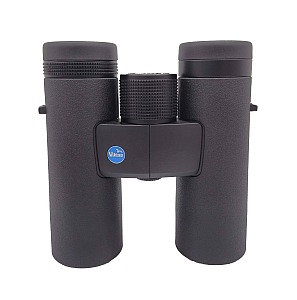
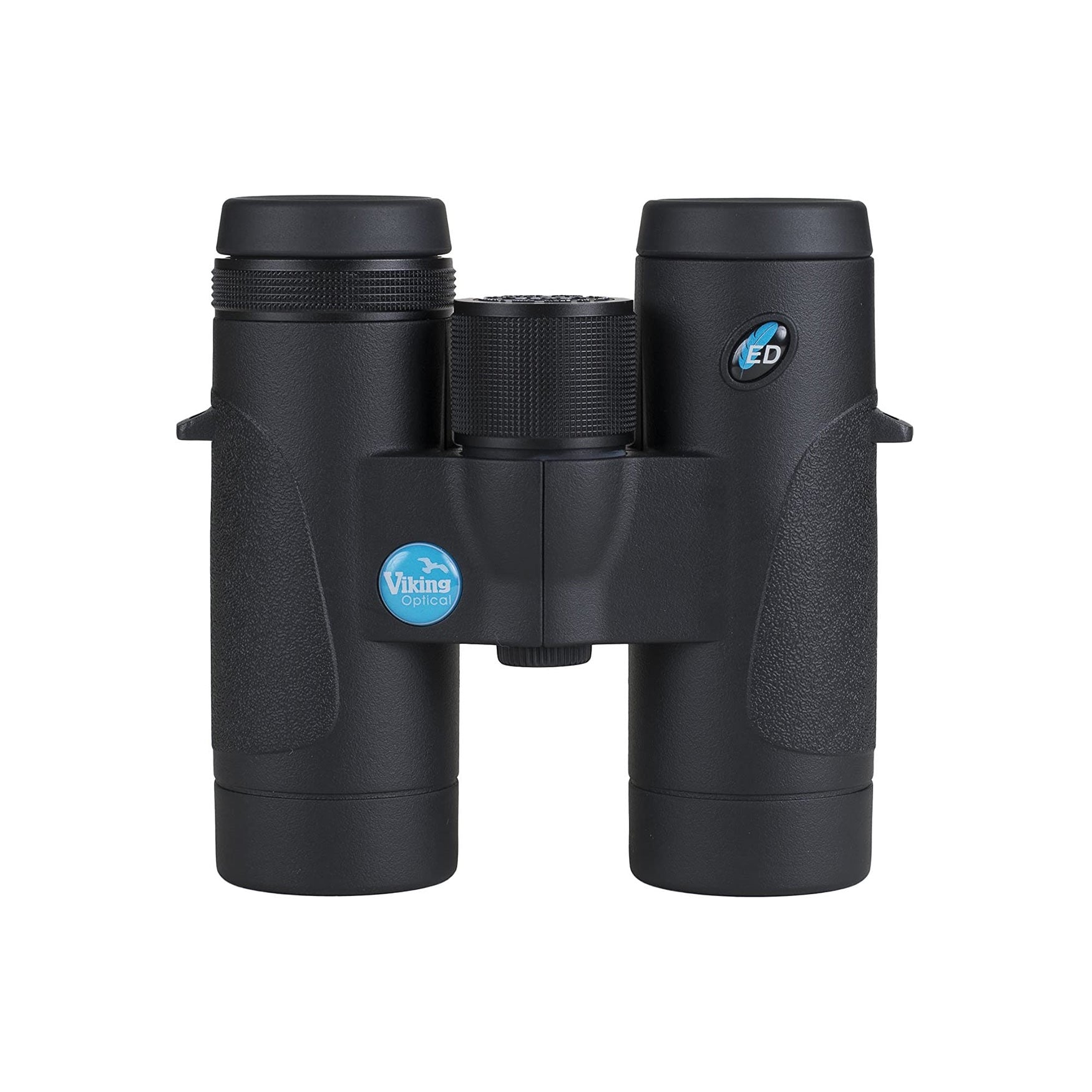
| Viking Merlin ED | 8x32, 8x34, 10x34, 8x42 | 137m (8x32), 142m (8x42) | 516-720g | 15.6-17.2mm | 10 years | £260-£290 |
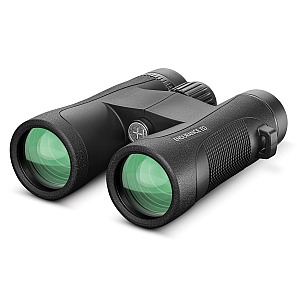
| Hawke Endurance ED | 8x42, 10x42 | 133m (8x42) | 705g | 15-17mm | Lifetime | £270-£280 |
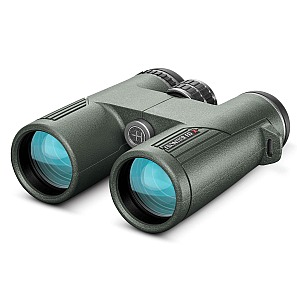
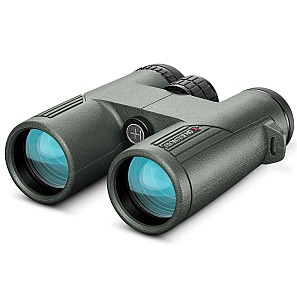
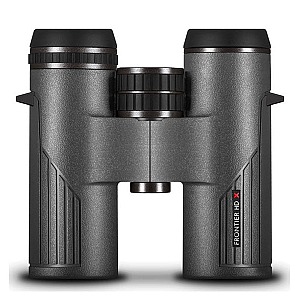
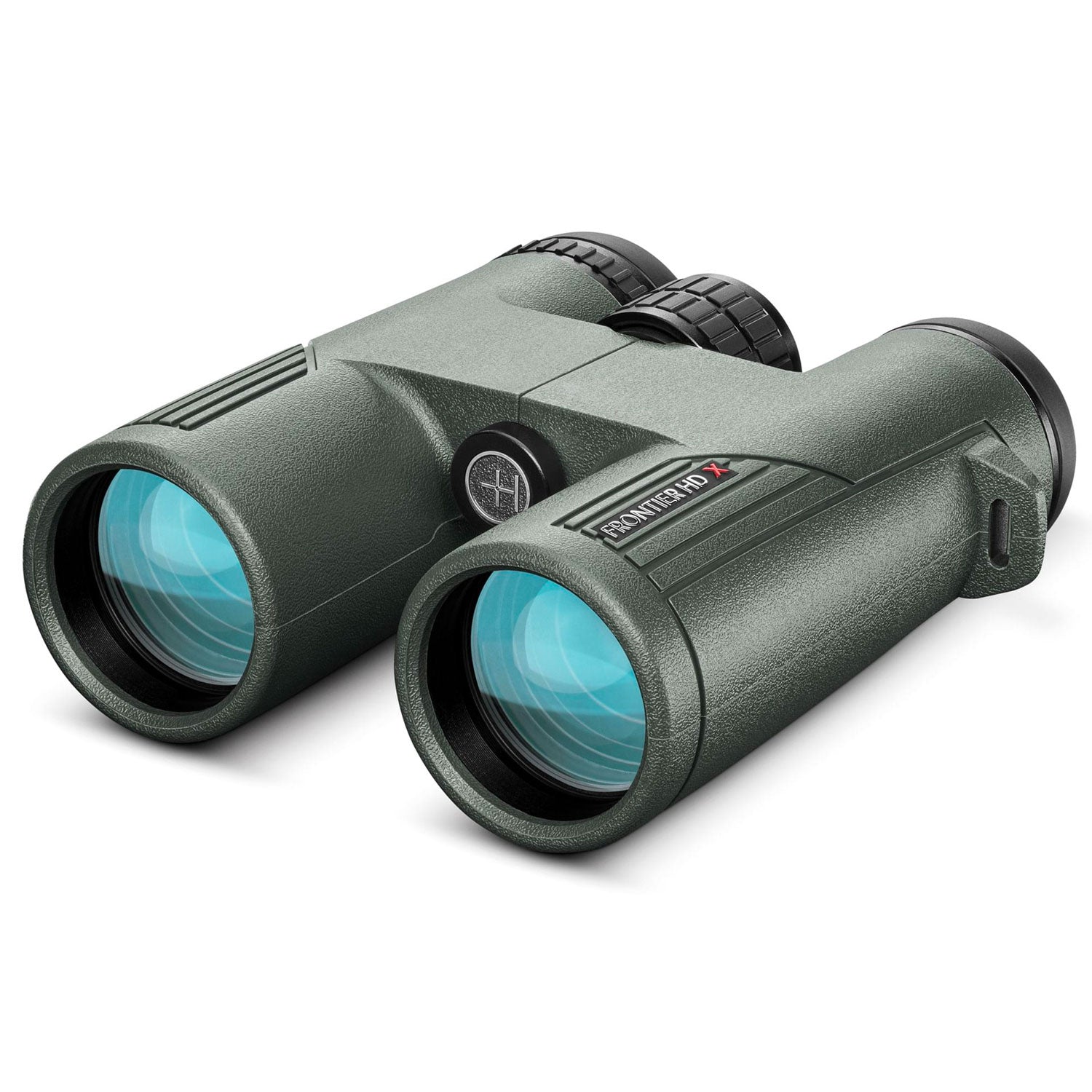
| Hawke Frontier HD X | 8x32, 10x32, 8x42, 10x42 | 135m (8x32), 142m (8x42) | 540-725g | 15-18mm | Lifetime | £280-£350 |
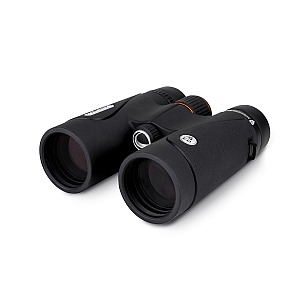
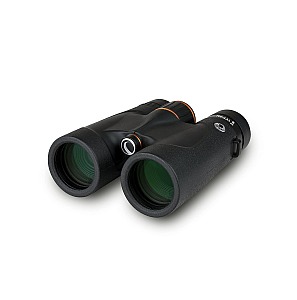
| Celestron TrailSeeker ED | 8x32, 10x32, 8x42, 10x42 | 137m (8x32), 142m (8x42) | 499-666g | 14.4-17.2mm | See listing | £275-£330 |
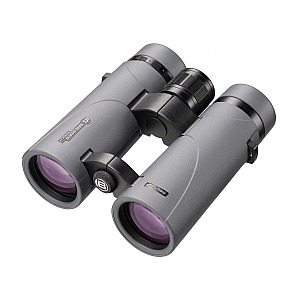
| Bresser Pirsch ED | 8x42, 10x42 | 125m (8x42) | 636g | 16.4-17.1mm | Lifetime | £290-£300 |
| Viking Peregrine ED | 8x32, 10x42 | 147m (8x32) | 528-610g | 15.7mm | 10 years | £300-£330 |
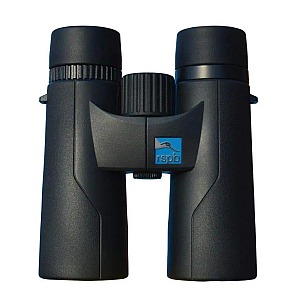
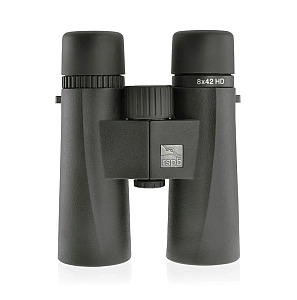
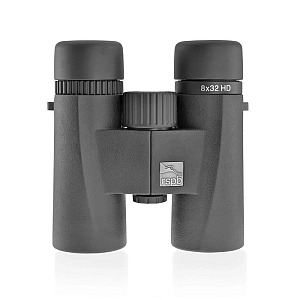
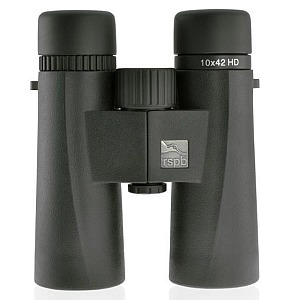
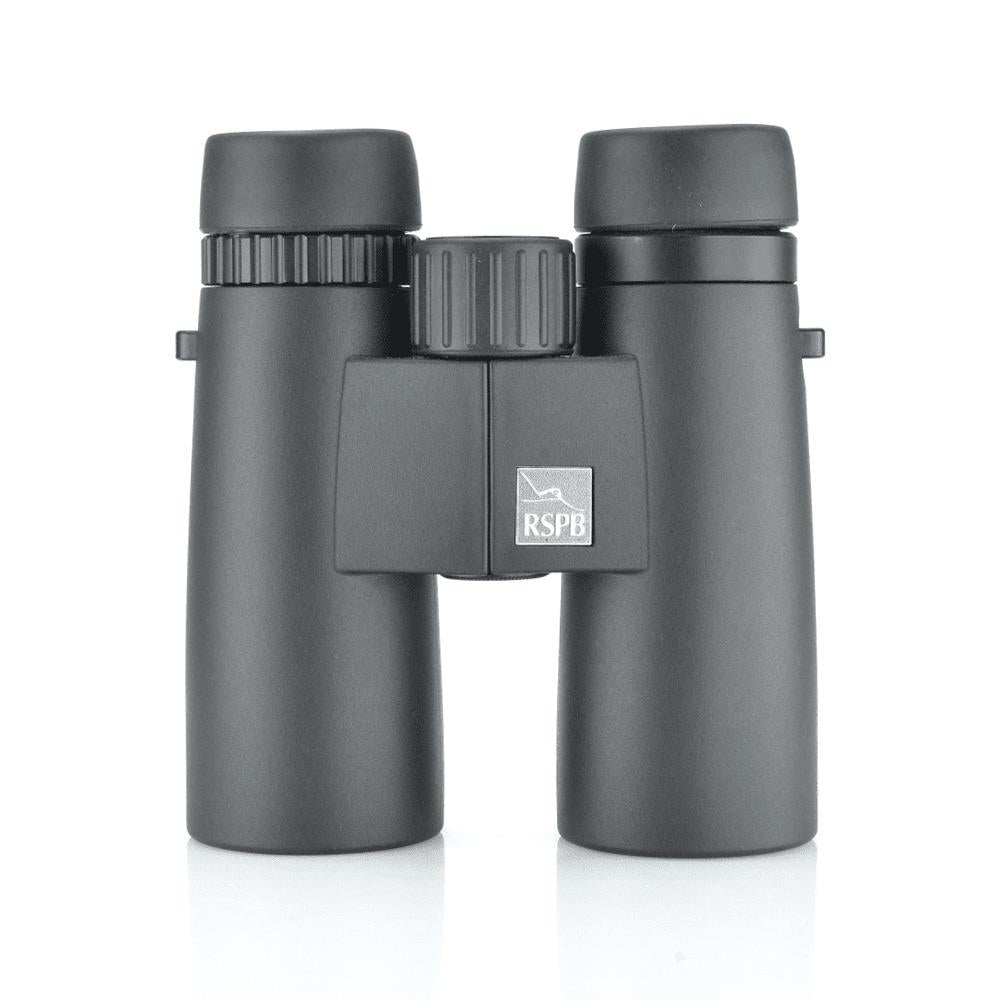
| RSPB HD | 8x32, 8x42, 10x42 | 147m (8x32), 126m (8x42) | 600-700g | 16.7-20.3mm | 10 years | £300-£480 |
| Kowa BD II XD | 6.5x32, 8x32, 10x32, 8x42, 10x42 | 175m (6.5x32), 154m (8x32) | 525-645g | 15-17mm | 10 years | £330-£450 |
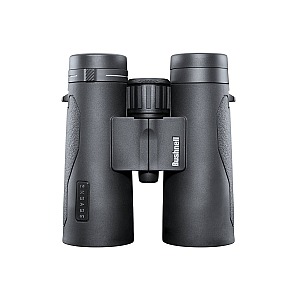
| Bushnell Engage EDX | 8x42, 10x42 | 113m (10x42) | 714-726g | 17mm | Lifetime | £340-£355 |
| Celestron Regal ED Flat Field | 8x42, 10x42 | 140m (8x42) | 768g | 20.2-22.5mm | Lifetime | £350 |
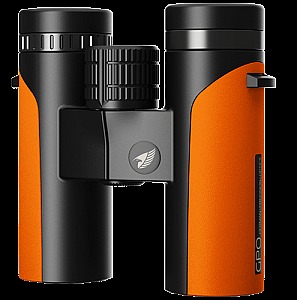
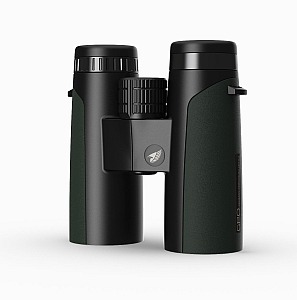
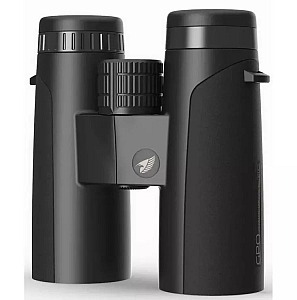
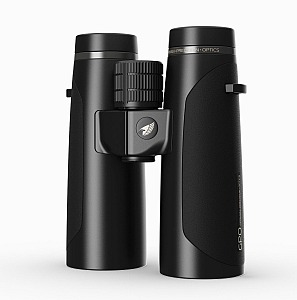
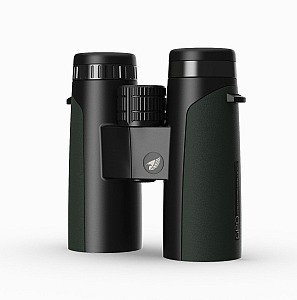
| GPO Passion ED | 8x32, 10x32, 8x42, 10x42 | 136m (8x32), 142m (8x42) | 500-740g | 15-18mm | 10 years | £350-£425 |
| RSPB Harrier X | 8x32, 8x42, 10x42 | 145m (8x32), 142m (8x42) | 524-716g | 16.7-18.4mm | 10 years | £390-£410 |
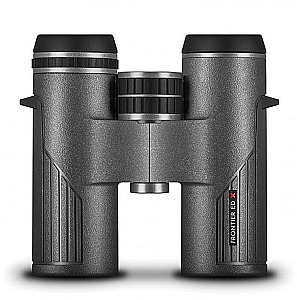
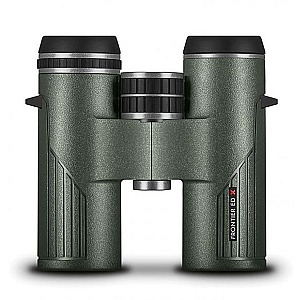
| Hawke Frontier ED X | 8x32, 10x32, 10x42 | 135m (8x32) | 540-725g | 15-16mm | Lifetime | £420-£470 |
| RSPB HDX | 8x42, 10x42 | 131m (8x42) | 660-680g | 15.2-17.2mm | 10 years | £730-£760 |
| GPO Passion HD | 8x42, 10x42 | 125m (8x42) | 850-860g | 17-19.5mm | 10 years | £800-£840 |
| RSPB Sparrowhawk ED | 8.5x42, 10x42 | 140m (8.5x42) | 700g | 16.7-17.8mm | 10 years | £850-£860 |
Ordinary glass splits light slightly, which shows as a purple or green fringe around a dark bird against a bright sky. ED (extra-low dispersion) glass, sold as HD or XD by some makers, cuts that colour fringing and gives sharper, truer colours. It used to be a premium extra; now nearly every pair on this page has it, including the Viking Merlin ED at the bottom of the price range. Most also use BAK-4 prisms with phase and dielectric coatings, which keep the image bright and full of contrast.
A wide field of view is what makes 8x pairs so easy to use on moving birds. Among the 8x32s, the Kowa BD II leads at 154m, with the Viking Peregrine ED and RSPB HD at 147m. Among the 8x42s, the Hawke Frontier HD X, Viking Merlin ED, GPO Passion ED and RSPB Harrier X all show 142m. The 10x42s sit nearer 107 to 117m.
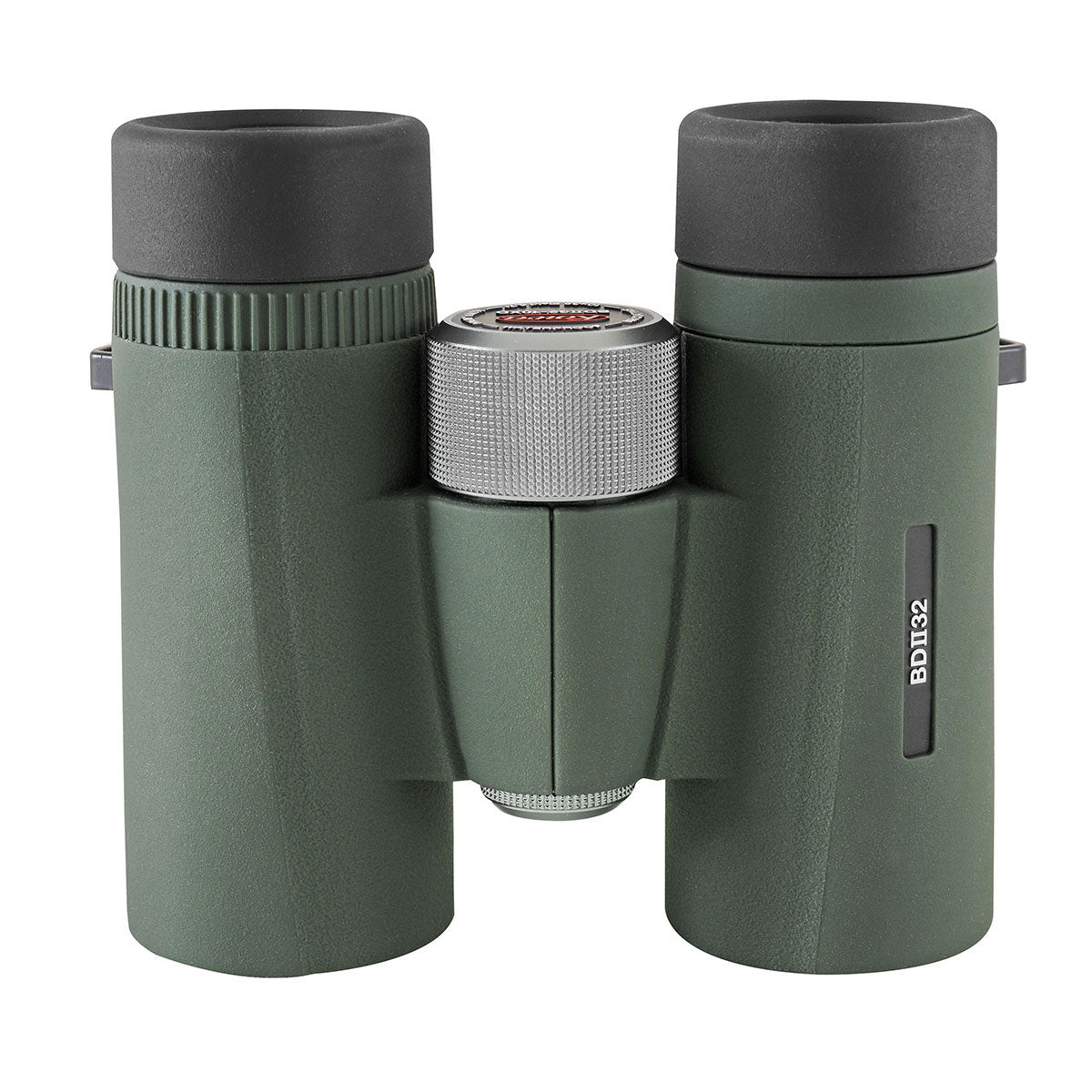
Close focus is the nearest distance a pair will focus. Under 2.5m means you can watch birds on a feeder a few steps away, and also butterflies and dragonflies, which many birders end up enjoying just as much as other wildlife. The Kowa BD II 6.5x32 focuses down to 1.3m, the Celestron Regal to about 1.5m and the Hawke Endurance ED to 2m.
Eye relief is how far your eye can sit from the eyepiece and still see the whole view. Glasses wearers need around 15mm or more and twist-down eyecups. Every pair in our range meets that, and the Celestron Regal ED (22.5mm on the 8x42) and RSPB HD 8x42 (20.3mm) give the most room.
This is Britain, so rain is part of birding. Look for a sealed body filled with nitrogen or argon, which keeps water out and stops the lenses misting inside when you walk from a cold car into a warm hide. Weight matters just as much: a 700g pair feels heavy after a few hours, so if your neck aches, swap the strap for a harness or choose a 32mm model.
This is where most people should start. You get ED glass, full waterproofing and wide views from the Viking Merlin ED, Hawke Endurance ED and Frontier HD X, Celestron TrailSeeker, Bresser Pirsch and the smaller Kowa BD II models. Hawke's lifetime warranty and Viking's 10-year guarantee make them safe buys for years of use.
Spend a little more and you get brighter coatings, lighter magnesium bodies and smoother focus wheels. Look at the GPO Passion ED, RSPB Harrier X, Hawke Frontier ED X, Viking Osprey ED and the larger Kowa BD II models. The GPO Passion ED also comes in black, green, brown, orange and sand.
The RSPB HDX, RSPB Sparrowhawk ED and GPO Passion HD are the top of our range, with field flattening lenses on the Sparrowhawk for a view that stays sharp to the edges. Above this sit Swarovski, Zeiss, Leica, the Vortex Razor and Nikon's flagship models at £1,000 to £3,000. Their optics are superb, but for most people the optical gap over a good £350 pair is small.
Hawke binoculars are a British brand known for value and a no-fault lifetime warranty. Viking binoculars come from a UK optics firm that also makes the RSPB's own binoculars. Kowa binoculars are Japanese and famous for their glass, and GPO binoculars (German Precision Optics) are designed in Germany. You will also find Celestron binoculars and Bushnell binoculars from the US, plus Bresser from Germany.
Once you are set up, find a place to go with the RSPB's nature reserve finder, check what you have seen on the BTO's BirdFacts pages, and follow the Countryside Code so nesting birds aren't disturbed. Each January the Big Garden Birdwatch is a good first outing for a new pair.
For most people, a waterproof 8x42 roof prism pair with ED glass, a field of view of 130m or more and eye relief of 15mm or more. In our range the Hawke Frontier HD X 8x42 and Viking Merlin ED 8x42 offer that for under £350, and the RSPB Harrier X and GPO Passion ED are good next steps.
8x42 is better for woodland, gardens, hides and beginners because the view is wider and steadier. 10x42 is better if you mainly watch over open water, estuaries or moorland and want more detail on distant birds.
Usually, yes. Above 10x the image shakes noticeably in your hands and the view narrows, so small birds are hard to find. Save higher power for a tripod or a spotting scope.
Yes. An 8x42 or 10x42 will show the Moon's craters, Jupiter's moons and star clusters. For deep sky viewing, larger lenses work better; see our astronomy binoculars.
Porro prisms give good depth for the money but are bulky. Roof prisms are slimmer, lighter and easier to waterproof, which is why every pair on this page is a roof prism design.
True pocket compact binoculars with 20mm to 28mm lenses are handy as a spare pair in a coat or car, but the image is dimmer and the eyecups fussier. The 8x32 and 6.5x32 pairs on this page are the smallest sizes that still work as your main bird watching pair; for lighter options see our compact binoculars.
Blow or brush off grit first, then wipe gently with a microfibre lens cloth, using a drop of lens cleaner if needed. Never use kitchen roll or your shirt, which can scratch the coatings.